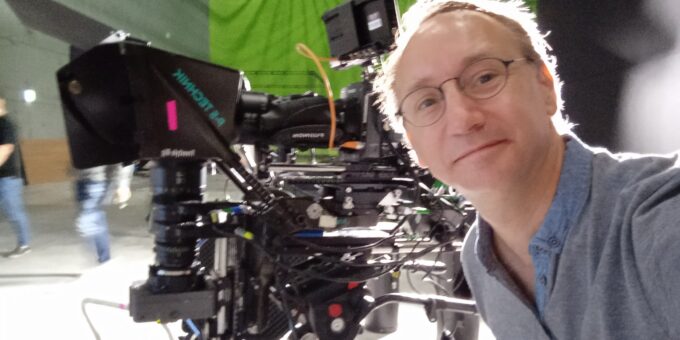
For more than 45 years, filmmaker and cinematographer Alaric Hamacher has explored new ways of creating moving images — from Super 8 and digital cinema to stereoscopic 3D, holography, spatial media and virtual production.
From Super 8 to Digital Cinema
Hamacher began making LEGO stop-motion and Super 8 films at the age of ten. At 15, while an exchange student at Abington High School near Philadelphia, he joined the pioneering youth filmmaking program Cinekyd. Back in Germany, he worked with the Videokooperative at Bonn’s Brotfabrik and the Theater der Jugend Bonn, learning directing from Arnim Jacobs and Helmut Tromm, before studying at HFF München.
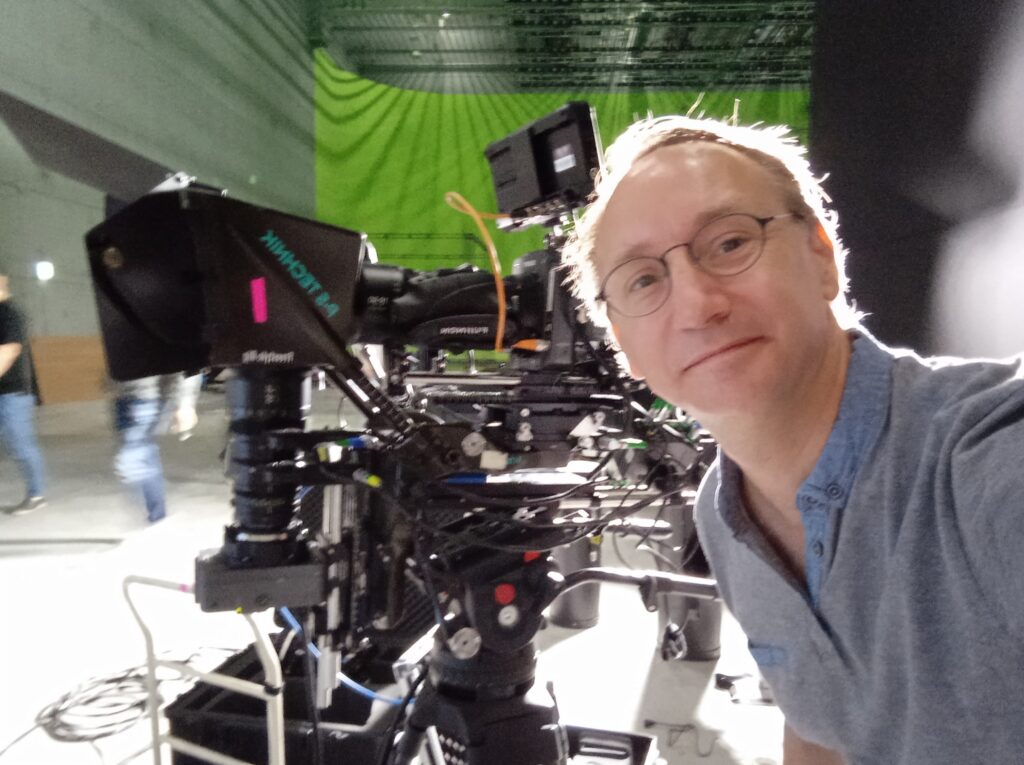
His early career combined filmmaking with technology. Hamacher developed software for film and television workflows, including a plug-in enabling stereoscopic 3D editing in Final Cut Pro, and later developed a custom stereoscopic camera system for Cyberheidi 3D.
3D Cinema and Korea
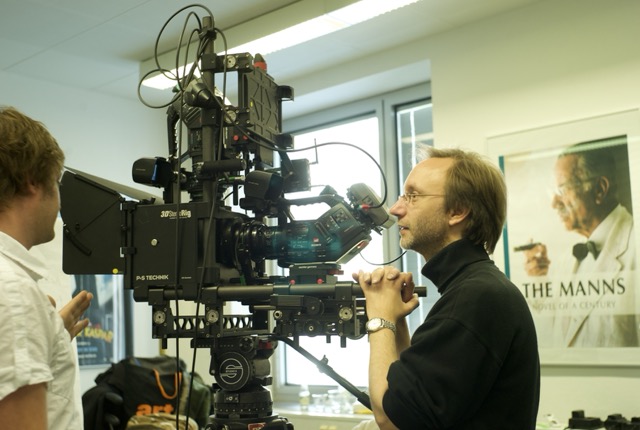
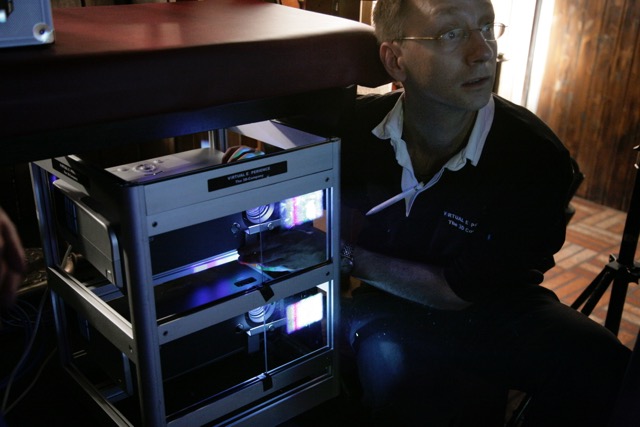
Stereoscopic 3D became a major part of his international work as a stereographer, cinematographer, director and producer, spanning cinema, television and glasses-free multiview productions for Alioscopy displays. His work on Nepal 3D received a Lumiere Award from the Advanced Imaging Society.
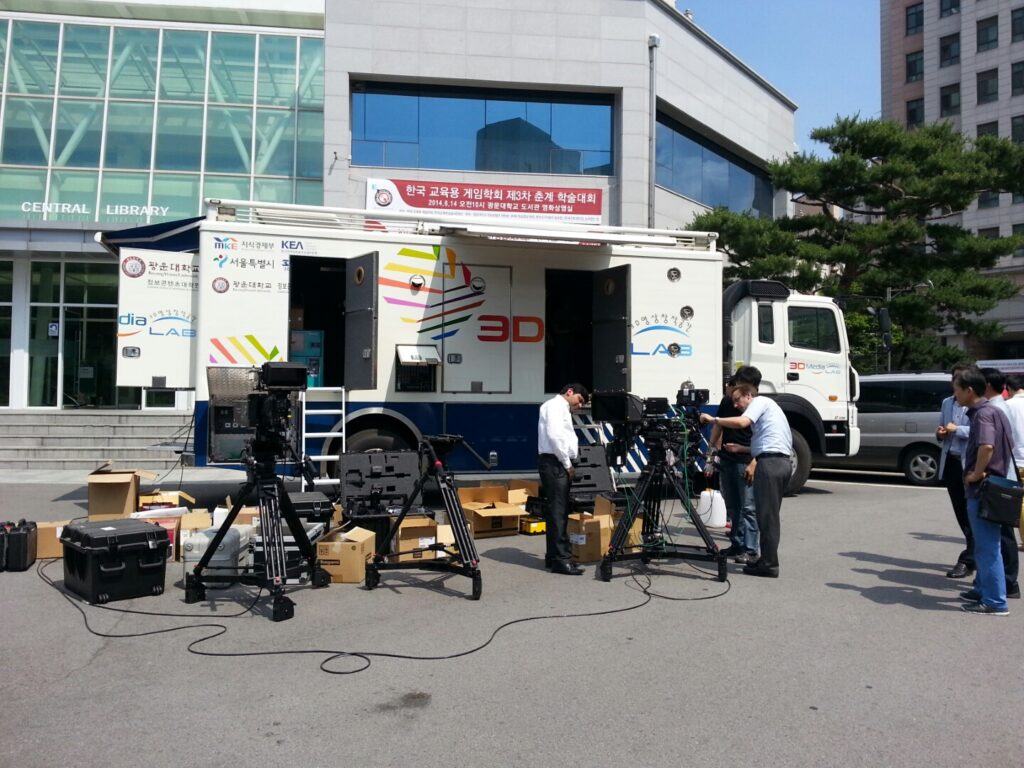
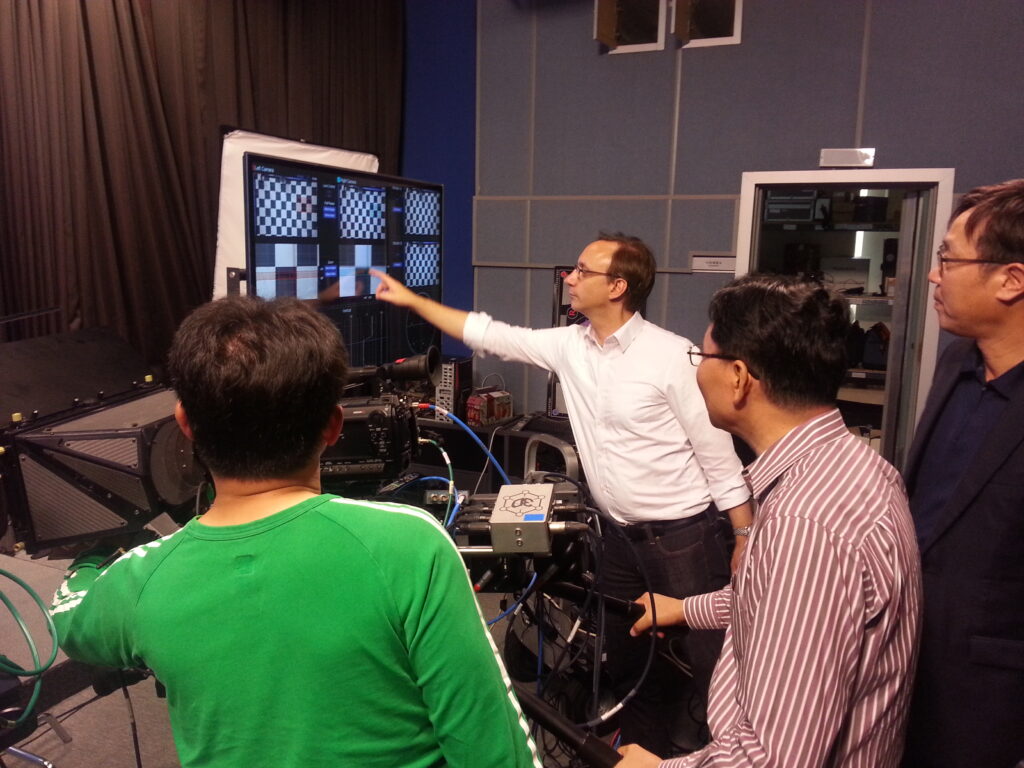
His expertise in stereoscopic production brought him to South Korea, where he was invited by KOCCA (Korea Creative Content Agency) to teach 3D production and train and certify professionals from the Korean broadcast and cinema industries.
From 3D to Virtual Production
Today, Hamacher teaches and conducts research at Kwangwoon University in Seoul in digital cinema, stereoscopic imaging, digital holography, immersive media and spatial computing. He is also a Programmer of the Busan International Short Film Festival (BISFF) and a board member of D.KE – Digital Immersive Korea Engineering.
Through D.KE and Mo-Sys Academy Korea, his current focus includes professional virtual production, camera tracking, Unreal Engine and LED production. He continues to develop his own production tools, including software connecting established stereoscopic formats with MV-HEVC spatial video.
From Super 8 to spatial computing, the technology has changed. The focus has remained the same: creating content and developing the tools needed to make the next generation of moving images possible.